Commercial marine
Hull & running gear
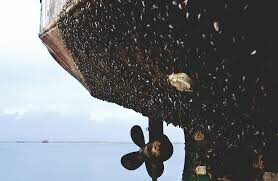
Target fouling where hydrodynamic condition and protection of the underlying surface have direct operational value.

BioBlade applies patented resonant blade technology at the fouling interface, with defined tool formats for marine yards, diver operations and ROV integration — and a future route into autonomous cleaning systems.
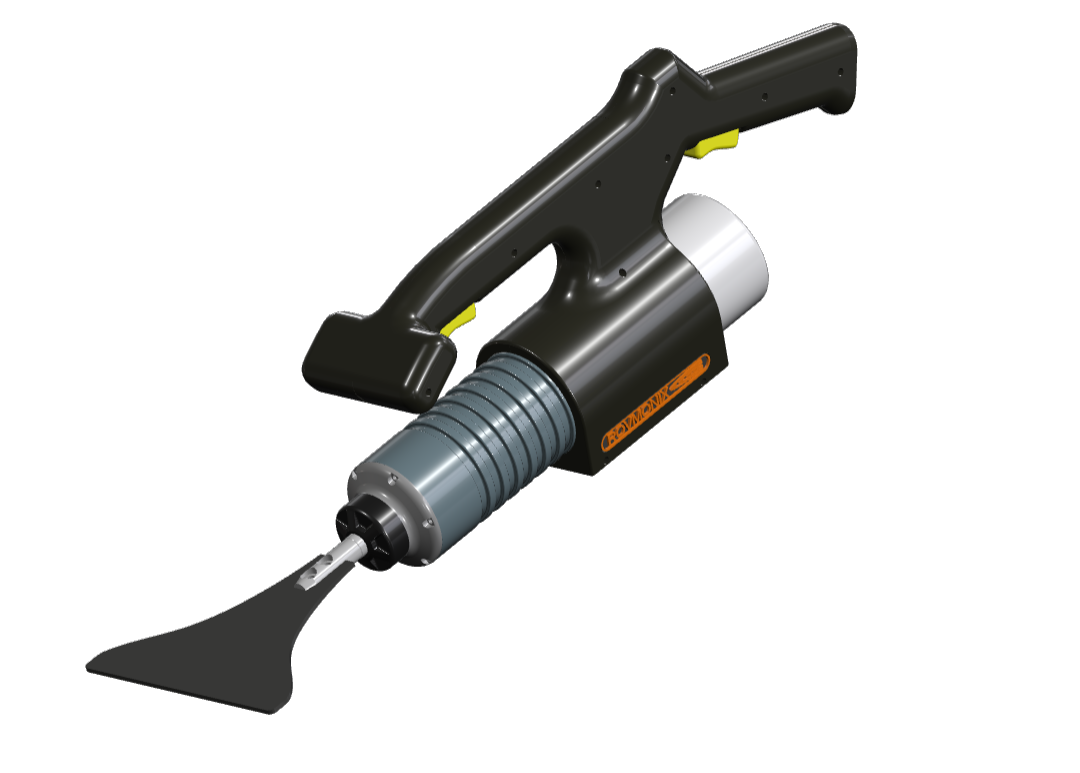
Conventional high-energy cleaning can remove growth quickly, but the method can also introduce coating damage, surface erosion, recoil, heavy support requirements and significant disturbance around the work area.
BioBlade concentrates mechanical action at the fouling interface. The resonant blade motion is intended to break adhesion with low reaction force, avoiding reliance on high-pressure fluid energy or rotary contact.
Break the adhesion. Apply controlled blade motion where fouling meets the underlying surface.
Reduce reaction force. Low recoil and low power demand make the technology suitable for manual and robotic deployment.
Target the task. Clean selected areas for maintenance or inspection rather than defaulting to broad-area, high-energy removal.
BioBlade is being developed for tasks where controlled removal, access and platform integration matter as much as cleaning rate.

The drive system creates rapid reciprocating blade movement using the patented operating principle.
The blade works locally at the growth/substrate boundary rather than relying on high-pressure fluid energy.
The core tool can be packaged for manual use or integrated with ROVs, crawlers and autonomous systems.
The Manual Yard Tool remains the current primary development programme. The defined range then scales the same operating principle across compact yard work, ROV deployment, deep-diver use and the private boat-owner market.
Powerful, robust heavy-duty tool intended primarily for surface marine-yard work, with operation to approximately 50 ft depth.
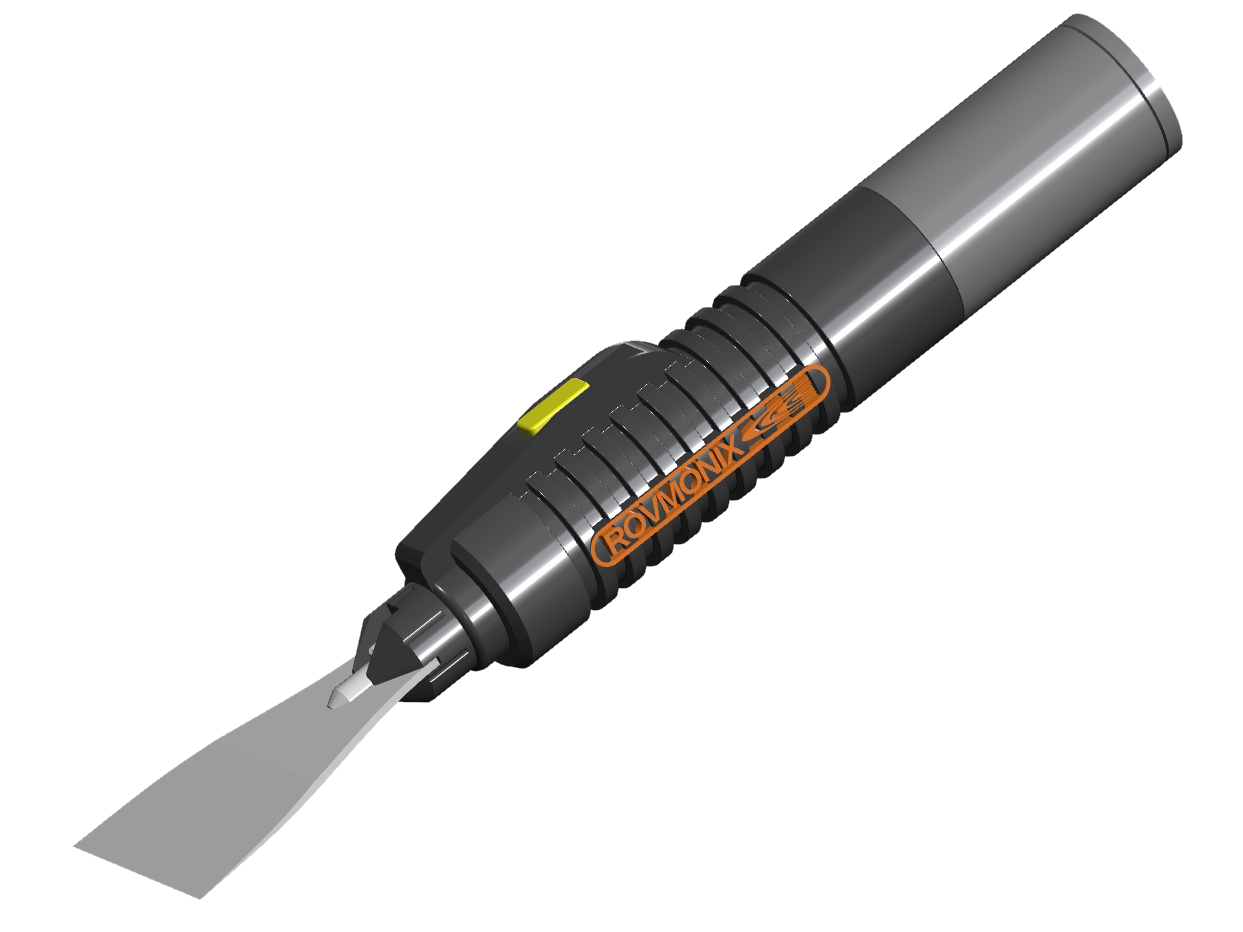
Smaller yard-tool format designed for holster use while working around a yard or marina — compact and convenient for local or smaller cleaning tasks.
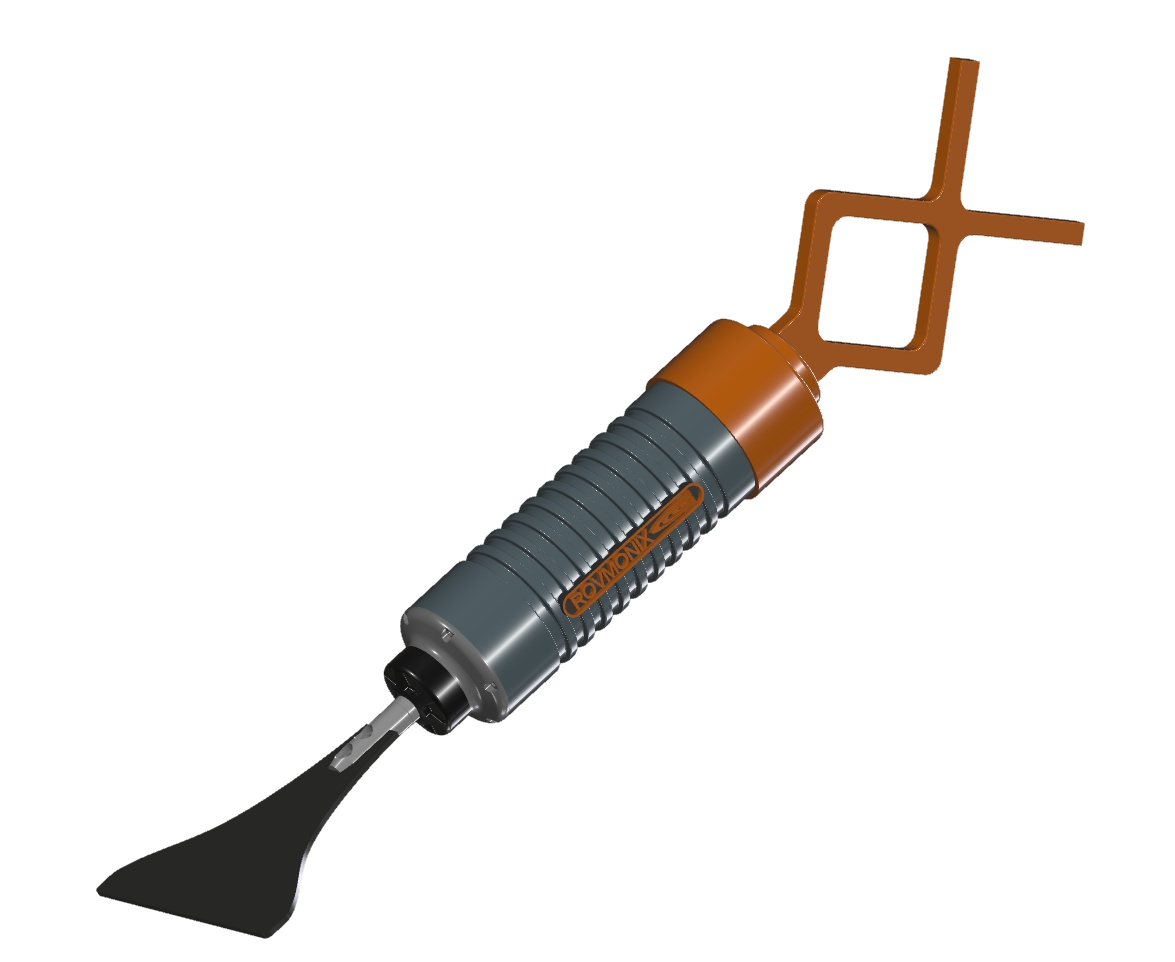
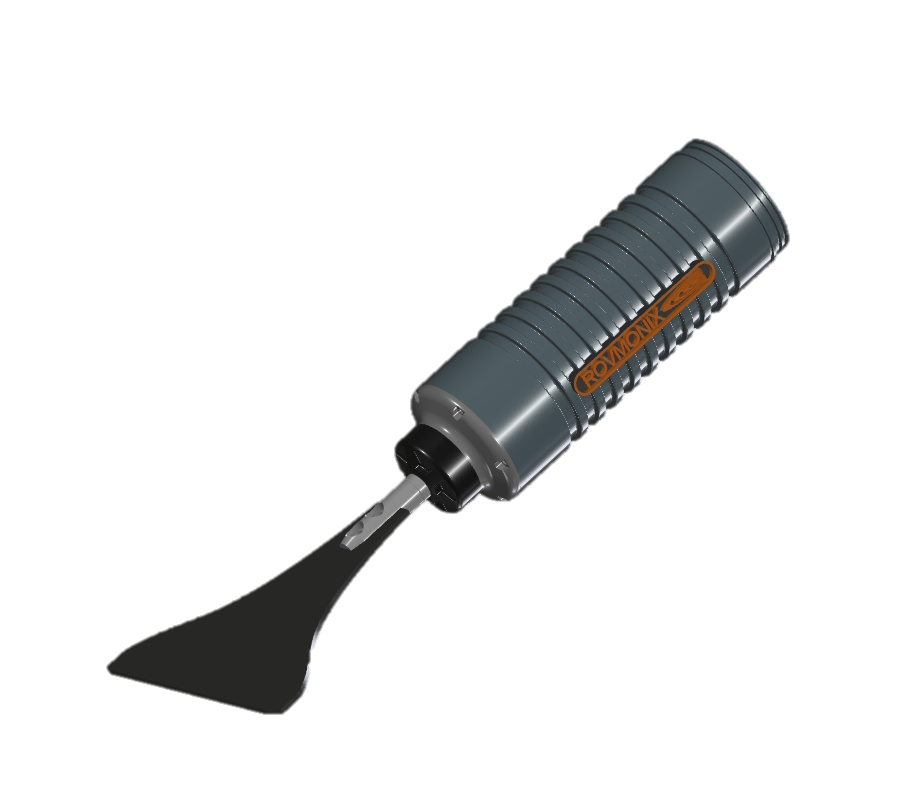
Designed for integration with existing work-class or observation-class ROVs. The core unit can be configured with an ROV manipulator interface or integrated directly into the host platform.
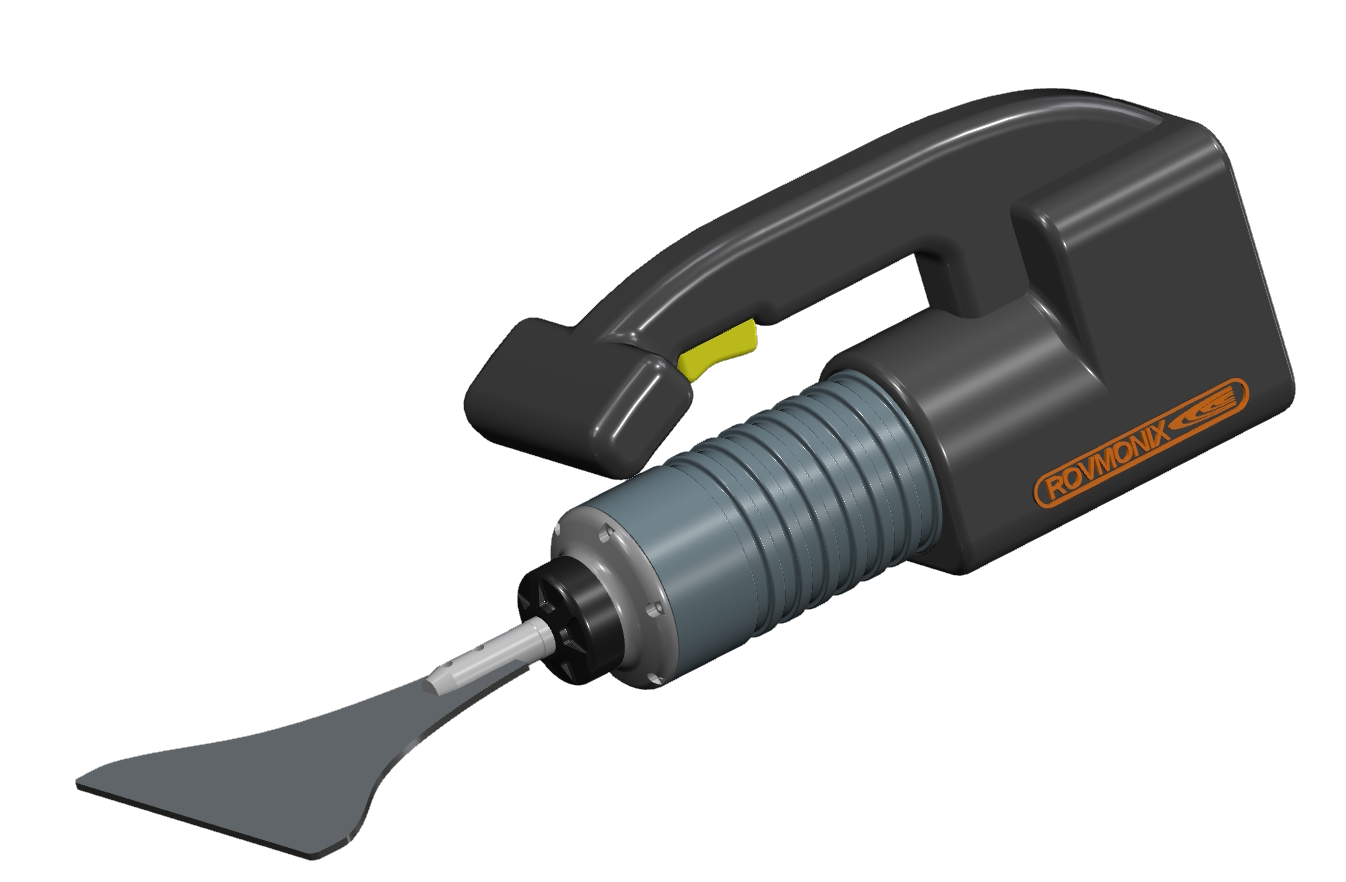
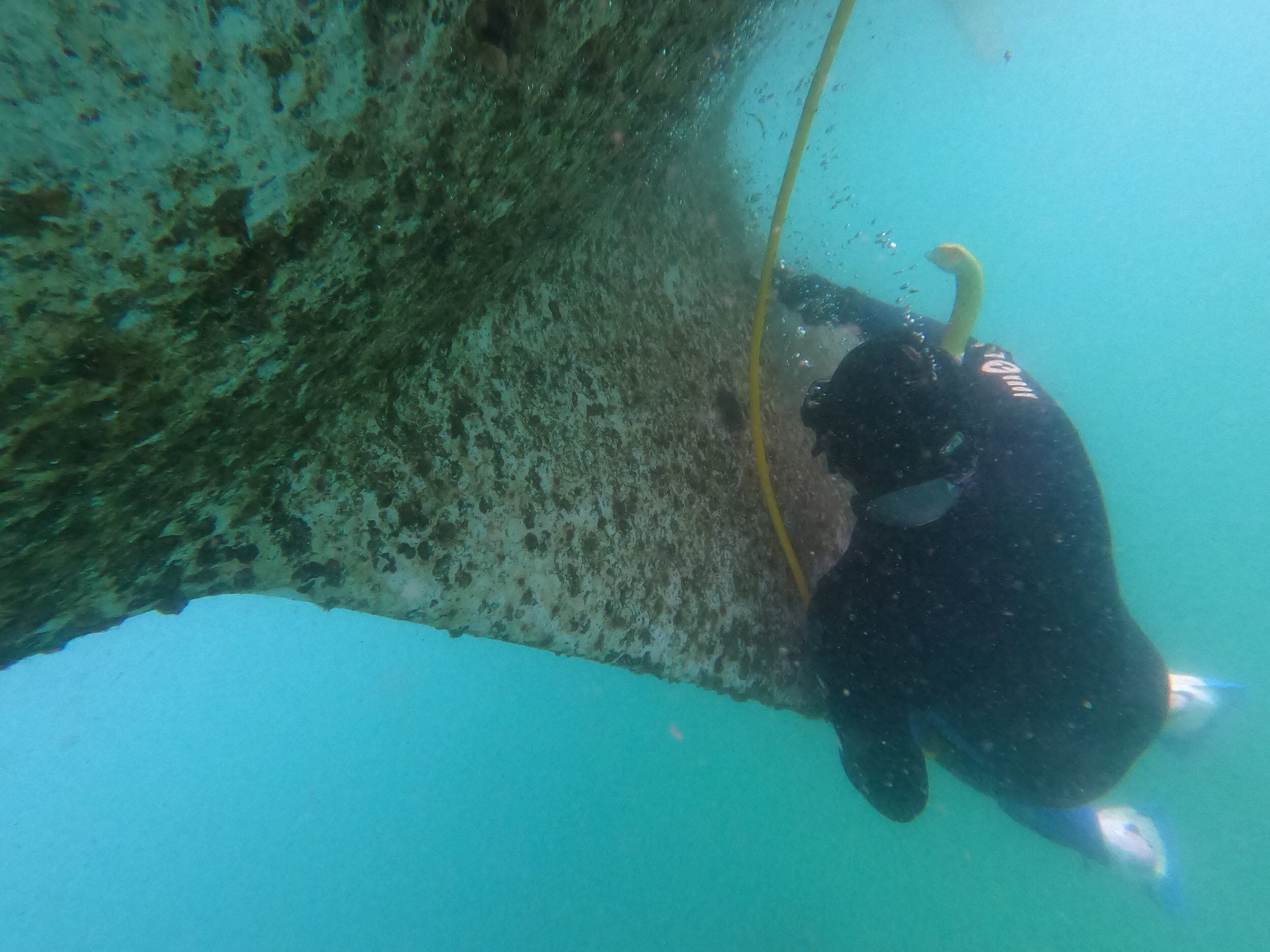
Deep-sea diver-operated version of the Yard Tool, configured for long-duration subsea use and one-handed handling.
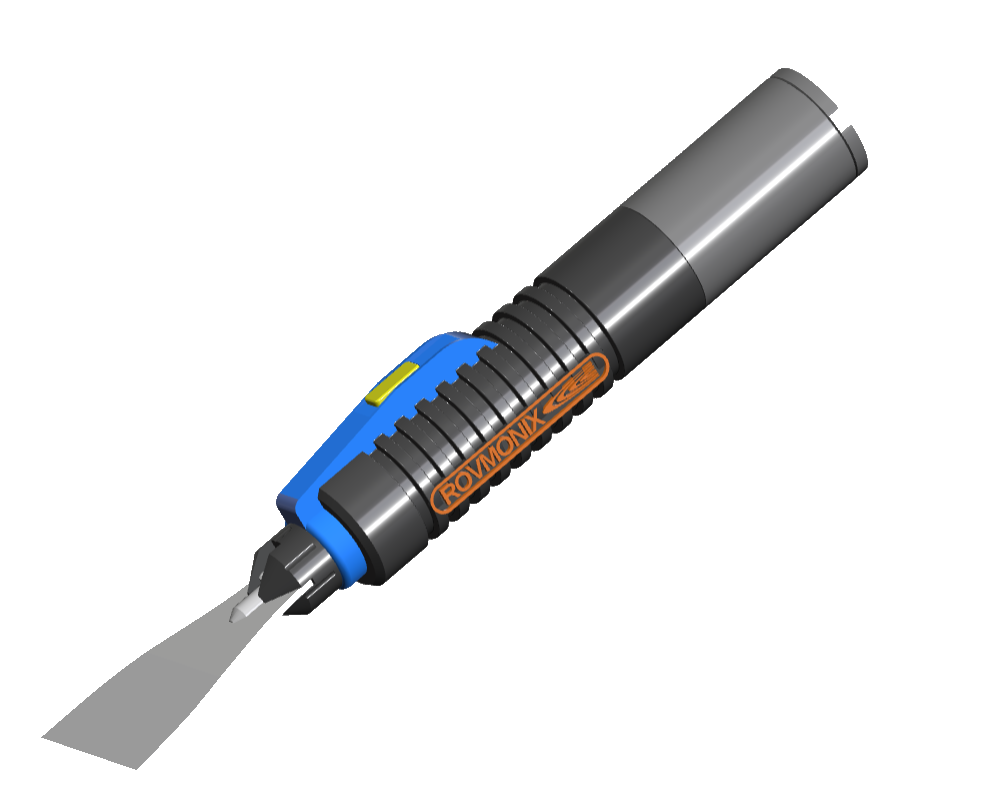
Compact deep-water format intended for holster carry and local fouling removal where the full manual tool is unnecessary.
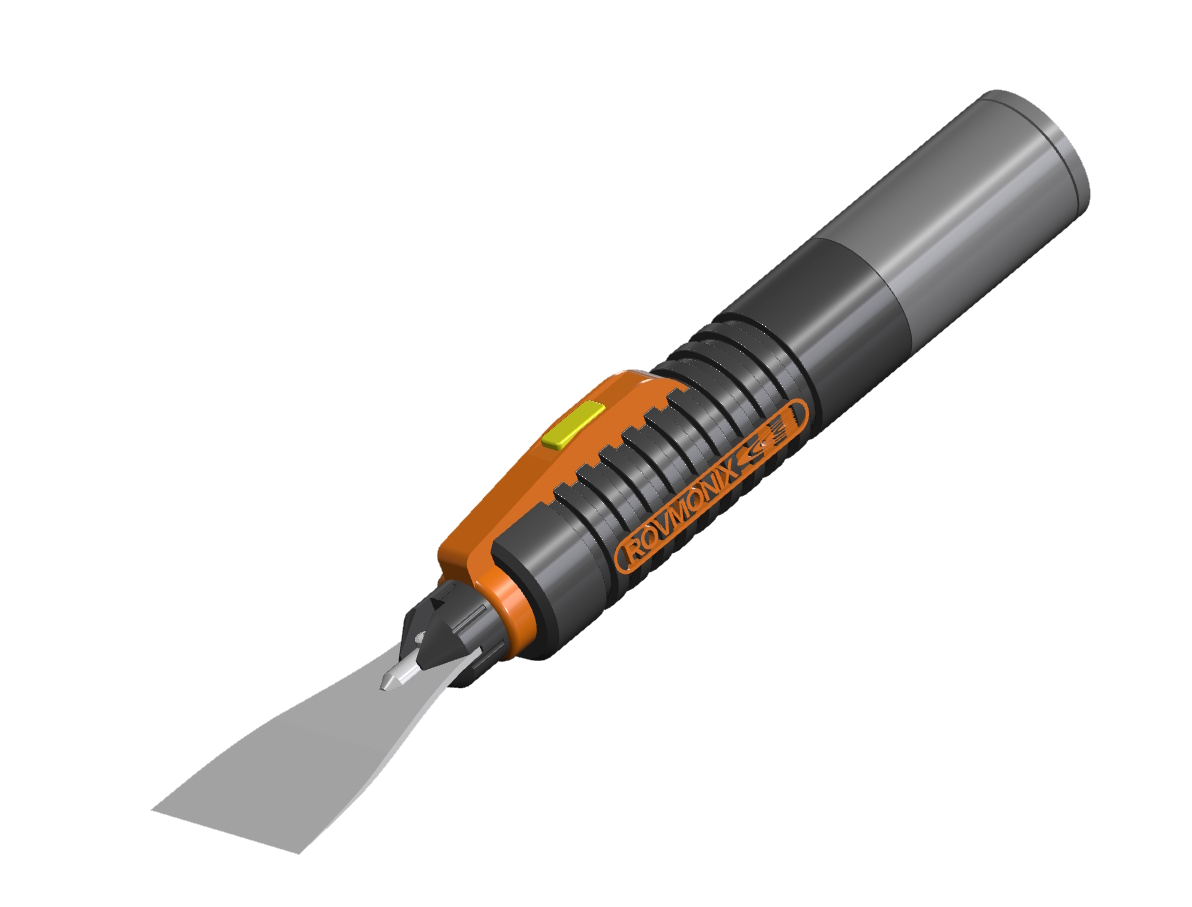
Lower-cost, lower-specification derivative intended for private use around boats and marinas.
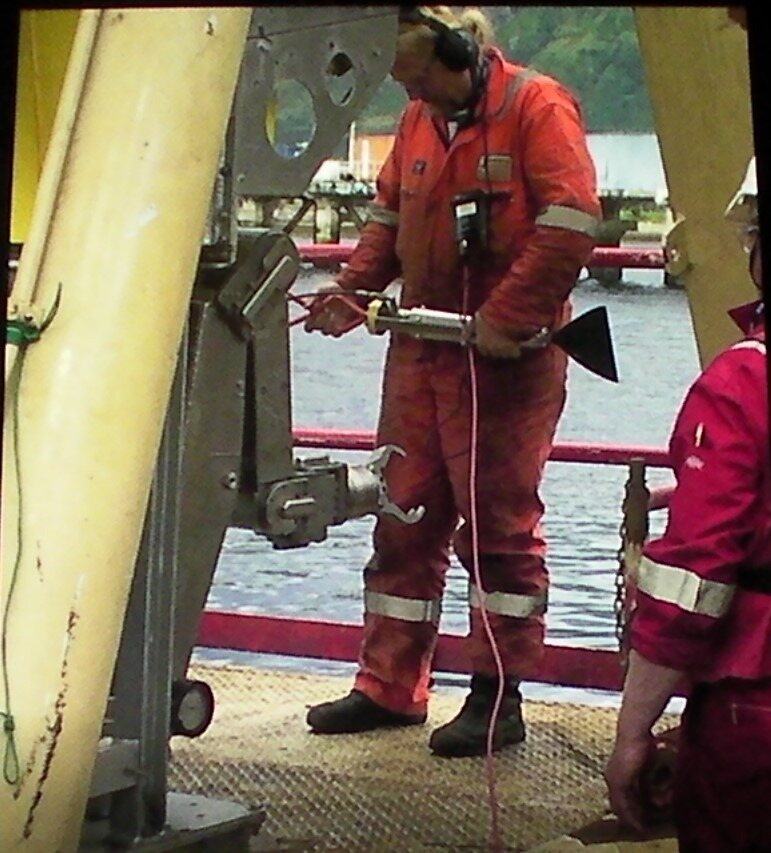
The current BioBlade programme builds on earlier commercial marine use of the core operating principle. ROVMONIX has since developed working machines through multiple mechanical and system iterations, with vessel testing feeding directly into configuration and performance refinement.
Product configurations shown on this site are development-stage designs and may change as validation, certification and production engineering progress.
The image quality reflects the age of the footage. These clips are retained because they document the operating principle being used in real marine environments before the current BioBlade product family.
Earlier-generation technology demonstrating biofouling removal on a working fishing vessel.
Earlier-generation subsea testing demonstrating the technology in diver-operated hydraulic form.
Earlier-generation tool demonstrating controlled fouling removal at a yacht waterline where surface finish matters.
Underwater test showing removal of lighter marine growth after a short immersion period.
Earlier-generation tool demonstrating fouling removal on an aluminium vessel hull.
Localised removal of marine growth and surface contamination to expose a defined inspection area while minimising unnecessary surface aggression.
These clips show the current Manual Yard Tool and Light Duty Commercial Yard Tool during development testing. Audio has been removed and the footage is presented as test evidence rather than finished-product demonstration material.
Development testing on a heavily fouled marine surface, showing local removal and the cleaned path left behind the blade.
Compact-tool development testing on established marine growth, demonstrating the same core cleaning approach in the smaller commercial format.
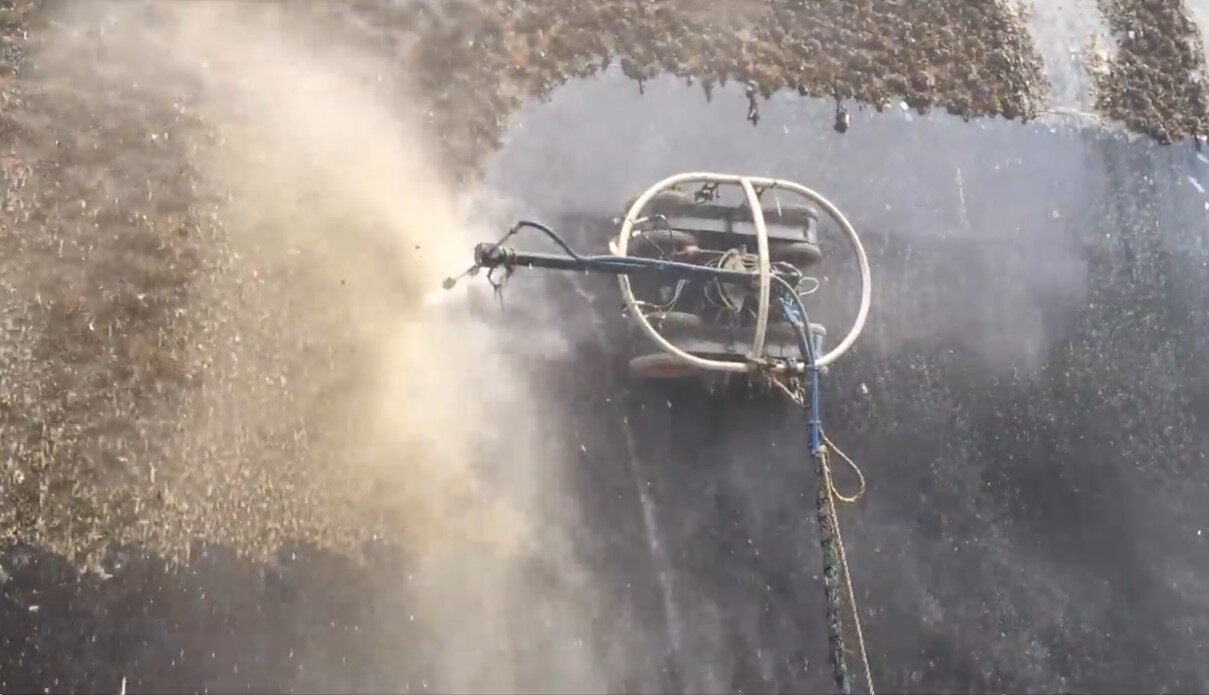
The same low-reaction cleaning principle creates a route toward crawler and autonomous platforms where routine intervention can be integrated into vessel operations.
A future development route would combine crawler-platform capability with BioBlade adaptive cleaning technology. The concept is to allow vessels to deploy onboard robotic cleaning units while alongside for cargo or passenger operations.
This is a future concept rather than a current production tool. The intended advantage is to move routine hull-cleaning activity toward autonomous deployment and reduce dependence on diver intervention for the cleaning task.
 ROVMONIX concept visualisation
ROVMONIX is interested in practical applications, field-trial opportunities and integration discussions across commercial marine and subsea operations.